
Timeline of Events Leading to the Murder

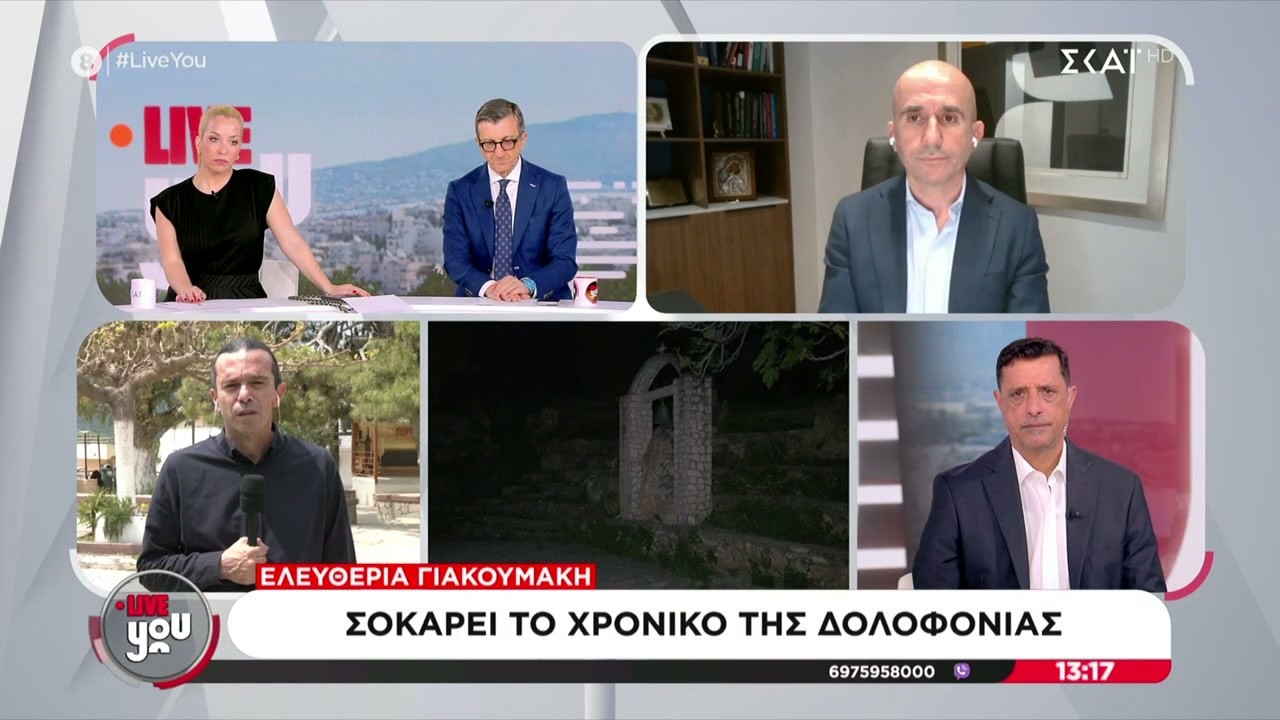
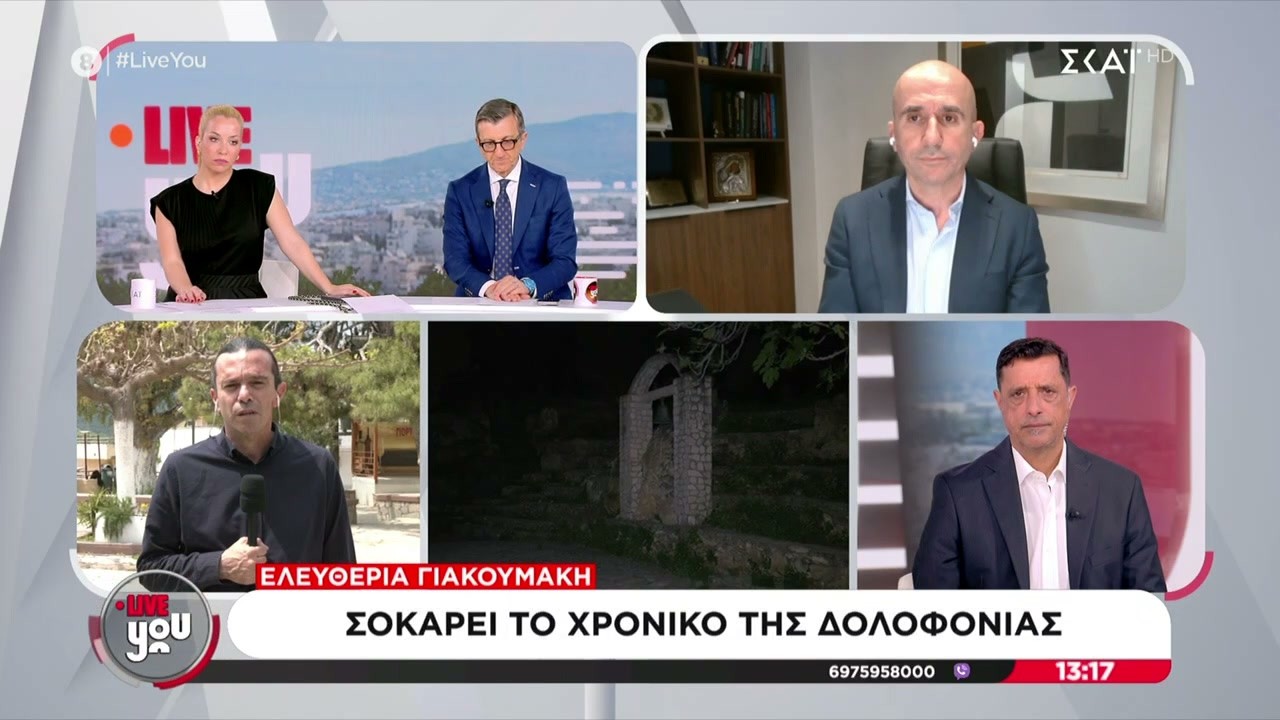
The tragic murder of Eleftheria Giakoumaki unfolded over a series of chilling events, meticulously pieced together from eyewitness accounts, security footage, and investigative findings. This timeline traces the crucial moments from the initial contact to the harrowing incident, revealing the disturbing dynamics between Eleftheria and her ex-partner.
Background and Relationship Dynamics

Eleftheria, a 43-year-old woman, had been in a relationship with a man approximately 40 years old, known to be possessive and pathologically jealous. Although their relationship began with happiness, severe problems and frequent arguments escalated over time. According to testimonies from acquaintances, about two months prior to the murder, Eleftheria decided to end the relationship after realizing her partner was not going to change his controlling behavior.
There were clear signs of harassment and intimidation from the ex-partner. For example, a notable incident involved the slashing of Eleftheria’s car tires by a person wearing a hood, caught on a neighbor’s security camera. Eleftheria identified the posture and walk of the perpetrator as that of her ex-partner, which indicates the level of intimidation she was subjected to.
The Day of the Murder : Sunday Timeline
The murder occurred on a Sunday morning, between approximately 11 : 00 and 11 : 10 AM. During this brief but critical window, a series of events escalated rapidly to the fatal act :
- Arrival at Agios Panteleimon Chapel : Eleftheria arrived at the chapel of Saint Panteleimon in Dafnes, a place close to her residence and family.
- Ex-Partner’s Approach : Her ex-partner, armed with a nine-gauge pistol, was waiting nearby. Security footage shows him arriving on a motorbike and hiding it before the murder.
- Fatal Shooting : Without exchanging any words, he approached Eleftheria’s car from the passenger window and shot her at point-blank range. The act appeared sudden and premeditated, with no prior discussion or confrontation.
Post-Murder Movements
Following the shooting, the ex-partner carried Eleftheria’s lifeless body to the back seat of a white Honda car. Surveillance cameras recorded his movements in the area :
- He was seen walking on the Heraklion Myron provincial road, where he then called a taxi to travel to his home in Malades.
- From his house, he took a smart car and returned to the chapel area, where he had left Eleftheria’s body.
- He transported her body in his car to Agia Varvara, abandoning it in the fields behind a gas station, a location identified through live reporting and investigation.
- After abandoning the body, he called a taxi again to return to the area where he had left his smart car, suggesting attempts to cover his tracks.
Authorities’ Response and Investigation Initiation
On Sunday afternoon, once Eleftheria was reported missing, authorities launched an investigation. The ex-partner was summoned for questioning on Monday. Initially, the police were unaware of his involvement in the murder, although suspicions grew. Tragically, before further interrogations could take place, the ex-partner committed suicide, ending the possibility of direct testimony.
Summary of Key Timeline Events
| Time | Event | Details |
|---|---|---|
| ~11 : 00 AM | Arrival at Agios Panteleimon Chapel | Eleftheria arrives at the chapel; ex-partner hides motorbike nearby |
| 11 : 04 – 11 : 10 AM | Murder Occurs | Ex-partner shoots Eleftheria at close range without warning |
| Shortly after | Transport of the Body | Body placed in white Honda; ex-partner moves body to Agia Varvara fields |
| Early afternoon | Taxi Calls and Car Movements | Ex-partner calls taxis, moves between his home and crime scenes |
| Monday | Investigation Begins | Eleftheria reported missing; ex-partner called for questioning |
| Before Tuesday | Suicide of Ex-Partner | Ex-partner commits suicide, ending direct investigation possibilities |
Details of the Murder Scene and Immediate Aftermath
The murder scene and the events following the killing of Eleftheria Giakoumaki provide critical insights into the nature of the crime, the perpetrator’s mindset, and the challenges faced by investigators. This section delves into the specifics of the location, forensic considerations, and the immediate actions taken by the perpetrator after the fatal act.
The Murder Location : Chapel of Saint Panteleimon, Dafnes
Eleftheria was murdered in the courtyard of the chapel of Saint Panteleimon, located behind the church in Dafnes. This location was significant for several reasons :
- It was close to where Eleftheria lived with her family and children.
- The chapel courtyard provided a secluded environment, allowing the perpetrator to act without immediate witnesses.
- Security cameras in the vicinity captured crucial footage of the ex-partner’s movements before and after the murder.
Witnesses and locals described the area as quiet and frozen with shock after news of the murder spread. The community expressed hope during the initial search that Eleftheria might still be alive, which was tragically dashed upon discovery of the crime.
Nature of the Murder
The murder was executed with chilling precision and cold intent. The ex-partner was armed with a nine-gauge pistol, which he used to shoot Eleftheria at point-blank range. Key details include :
- There was no verbal exchange or argument immediately preceding the shooting, indicating a premeditated and deliberate act rather than a spontaneous confrontation.
- The shooter approached from the passenger side window, suggesting a planned ambush.
- After shooting, the perpetrator quickly took control of the scene, transporting Eleftheria’s body to his vehicle without hesitation.
Post-Murder Actions and Forensic Considerations
Following the murder, the ex-partner’s actions reveal attempts to cover up the crime and evade detection :
- He placed Eleftheria’s body in the back seat of a white Honda car, then drove to a remote field behind a gas station in Agia Varvara where he abandoned the body.
- The murder weapon, a nine-gauge pistol, was never found at the scene or thereafter, indicating the perpetrator hid it deliberately.
- He called taxis multiple times, moving between his home, the chapel, and locations where he left vehicles, possibly to create a confusing trail.
Investigators emphasized the importance of a thorough forensic examination, including :
- Collection and analysis of genetic material and fingerprints inside the vehicle, especially on the steering wheel and other high-contact surfaces, to confirm the presence and actions of individuals involved.
- Verification of glove use or absence thereof, which could reveal the perpetrator’s fingerprints and DNA.
- Detailed examination of the crime scene to confirm the sequence of events and exclude any alternative scenarios.
Immediate Aftermath and Police Investigation
In the hours following the murder, the authorities initiated a search and investigation :
- Eleftheria was reported missing Sunday afternoon, triggering an alarm and a coordinated search effort.
- On Monday, the ex-partner was called in for questioning, though the police were initially unaware of his direct involvement.
- Experienced police officers quickly focused the investigation on him after reviewing video footage showing his movements contradicting his initial statements.
- Despite suspicions and ongoing inquiries, the ex-partner committed suicide before further interrogation could take place, using a short-barreled carbine.
Community and Expert Reactions
Local residents and experts highlighted several important points after the crime :
- The community was aware of the troubled relationship and the ex-partner’s possessive nature, which had caused Eleftheria significant distress.
- Experts stressed the need for comprehensive forensic analysis despite the seemingly clear case to avoid any doubts or surprises in the legal process.
- Forensic professionals underlined the importance of scientific rigor, including genetic testing and scene reconstruction, to confirm the crime details beyond reasonable doubt.
- The disappearance of the murder weapon was seen as an aggravating factor, suggesting the perpetrator had planned the crime and its aftermath carefully, including possible attempts to mislead investigators.
Summary of the Crime Scene and Immediate Aftermath
| Aspect | Details |
|---|---|
| Location | Courtyard of Saint Panteleimon Chapel, Dafnes |
| Method | Point-blank shooting with a nine-gauge pistol |
| Post-Murder Transport | Body moved to white Honda, abandoned in fields near gas station in Agia Varvara |
| Murder Weapon | Nine-gauge pistol; not recovered from crime scene or suspect’s possession |
| Police Response | Immediate search and investigation; suspect questioned and later committed suicide |
| Forensic Importance | Need for thorough genetic and forensic analysis to confirm all details definitively |
Investigation and Police Involvement
The investigation into the tragic murder of Eleftheria Giakoumaki unfolded with a complex and multi-layered police response. From the initial moments after the crime, authorities were engaged in piecing together the timeline and identifying the perpetrator, who was later revealed to be Haris Leontakis. The police involvement was marked by the use of forensic analysis, video surveillance, and eyewitness testimonies to reconstruct the events leading up to and following the murder.
Immediate Response and Initial Evidence Gathering
Following the murder, which occurred around 11 : 00 to 11 : 10 AM at the chapel of Saint Panteleimon in Dafnes, security cameras played a crucial role. They captured footage of the suspect carrying the body of the victim to his vehicle, a white Honda, and leaving the scene. This visual evidence became central to the investigation, providing a clear image of the suspect’s movements immediately after the crime.
The suspect’s movements were further tracked through additional camera footage on Heraklion Myron provincial road, where he was seen calling taxis and retrieving his own car from his residence in Malades. His attempts to conceal the crime were evident as he transported the victim’s body to Agia Varvara, abandoning it behind a gas station in a field. This sequence of events was critical for law enforcement to establish a timeline and understand the suspect’s actions post-murder.
Investigation Development and Police Strategy
On the day following the murder, the authorities issued a missing person alert for Eleftheria Giakoumaki. The investigation intensified as police summoned Haris Leontakis for questioning. Initially, the police were not fully aware of his involvement in the murder, but suspicions led them to bring him in for further interrogation. This step was pivotal, as his behavior and responses during these sessions influenced the trajectory of the investigation.
Experts and police officers analyzed video footage showing the victim’s car moving an hour after the murder, which was unusual and suggested the involvement of another individual. This detail complicated the case and required the police to extend their inquiries beyond the primary suspect.
Forensic Analysis and Expert Involvement
Forensic experts were engaged to conduct a thorough investigation, including genetic material analysis and fingerprint identification from various parts of the victim’s car. The goal was to confirm the presence of only one individual at the crime scene and to corroborate the police’s narrative scientifically. Given the complexity of the case, experts emphasized the necessity of a full forensic investigation to eliminate any doubts and ensure the accuracy of the findings.
Despite the apparent clarity of the case, specialists stressed that every detail must be scrutinized thoroughly. This includes examining the murder weapon, a nine-gauge pistol, which had not been recovered at the crime scene. The absence of the weapon raised questions about the suspect’s intentions and attempts to cover up the crime.
The Suspect’s Final Actions and Police Reaction
After the interrogation, Haris Leontakis committed suicide using a short-barreled carbine. Police believe that he hid the murder weapon initially and later took his own life after realizing the investigation was closing in on him. This act is considered a common tactic among murderers to avoid facing justice and to destroy evidence.
The investigation team had to adapt quickly to this development, focusing on confirming all forensic evidence and ensuring that the case was closed scientifically and conclusively. The police called for all data, including genetic and forensic analysis, to be examined with the assumption that the suspect’s suicide did not end the necessity for a comprehensive investigation.
Summary of Police Investigation Efforts
- Use of security camera footage to track suspect movements.
- Issuance of a missing person alert and mobilization of search efforts.
- Summoning and interrogating the suspect, initially without knowledge of his guilt.
- Detection of unusual vehicle movements suggesting additional involvement.
- Engagement of forensic experts for detailed scientific analysis.
- Investigation into the missing murder weapon and suspect’s suicide.
- Continued focus on thorough evidence verification to conclusively close the case.
Relationship Background and Behavioral Issues
The relationship between Eleftheria Giakoumaki and Haris Leontakis was characterized by initial happiness that gradually deteriorated due to serious behavioral problems, which ultimately culminated in tragedy. Insight into their personal dynamics provides a window into the escalating tension and the factors that contributed to the fatal outcome.
Early Stages of the Relationship
According to testimonies, Eleftheria initially spoke enthusiastically about the early months of her relationship with Haris. She expressed genuine happiness and hope, believing she had found a man who brought joy into her life. The first five to six months were reportedly positive, and she confided in close friends about the promising nature of their bond.
Emergence of Behavioral Problems
However, this hopeful beginning did not last. Problems began to surface as Haris became increasingly possessive and pathologically jealous. His behavior shifted from companionship to control, creating a hostile environment. Arguments and disputes became frequent, with Haris’s jealousy acting as a catalyst for ongoing conflicts.
Those familiar with the couple noted that Eleftheria was visibly troubled by these changes. Despite attempts by both parties to mend their relationship, the toxic pattern persisted, pushing Eleftheria towards making a difficult decision.
Breakup and Escalation
Approximately two months before the murder, Eleftheria decided to end the relationship. She made it clear to Haris that she no longer wished to continue their partnership. This decision appeared to escalate Haris’s aggressive tendencies.
An illustrative incident recorded by a neighboring house’s camera revealed a person wearing a hood slashing the tires of Eleftheria’s car. She reportedly recognized the posture and walk of the perpetrator as Haris and confronted him about it. Despite this, Haris replaced the damaged tires with new ones, but the tension between them remained unresolved.
Evidence of Control and Surveillance
Further reports indicated that Haris had equipped Eleftheria’s car with a GPS tracking device to monitor her movements after their separation. This invasive act demonstrated his unwillingness to let go and underscored his desire to control her life even after their relationship ended. While this information could not be fully confirmed, it was consistent with the pattern of possessive behavior described by acquaintances.
Psychological Profile and Final Intentions
Experts analyzing the case suggested that Haris viewed himself not just as a partner but as the dominant force in the relationship, exerting control over Eleftheria’s life. His actions on the day of the murder—waiting hidden on a motorbike, shooting her without any verbal exchange, and attempting to cover up the crime—reflect a premeditated plan born out of desperation and possessiveness.
It was also revealed that Haris had previously attempted suicide twice and had left a note indicating his intention to end his life, showing a history of psychological instability. These factors likely contributed to his drastic and violent response when faced with the end of his relationship.
Summary of Relationship Dynamics
- Initial happy phase lasting approximately five to six months.
- Gradual onset of possessive and jealous behavior by Haris.
- Frequent arguments and deteriorating communication.
- Breakup approximately two months before the murder.
- Acts of harassment, including tire slashing and potential GPS tracking.
- Suspect’s history of suicidal behavior and psychological instability.
- Premeditated murder reflecting control and possessiveness.
Community Insights and Witness Testimonies
The local community and witnesses played a significant role in shedding light on the circumstances surrounding Eleftheria Giakoumaki’s murder and the troubled relationship she endured. Their observations provide important context about the victim’s life, the suspect’s behavior, and the atmosphere in the village following the incident.
Community Awareness of Relationship Issues
Residents of Dafnes, where Eleftheria lived with her family and children, were reportedly aware of the existence of her relationship with Haris Leontakis and the problems it entailed. Many spoke highly of Eleftheria, expressing shock and sorrow over the tragedy. They acknowledged that Haris was known to be pushy and that Eleftheria faced difficulties because of his controlling behavior.
Community members shared that despite the initial happiness Eleftheria experienced, the relationship had become a source of distress. The public knowledge of Haris’s jealousy and possessiveness was widespread, contributing to an understanding of the risks Eleftheria faced.
Specific Testimonies and Incidents
A notable testimony recorded by a local resident detailed the night when someone wearing a hood damaged Eleftheria’s car tires. The victim reportedly identified the perpetrator’s posture and gait as that of Haris, further confirming the community’s suspicions about his aggressive tendencies. This incident was captured on a neighboring house’s security camera, providing tangible evidence of harassment.
Additionally, neighbors recounted that after the breakup, Haris had moved on with his life, entering a new relationship. This new partner allegedly instructed Haris not to discuss Eleftheria, indicating a desire to distance themselves from the previous relationship’s turmoil. Such accounts highlight the ongoing social repercussions of the couple’s history within the community.
Community Reaction and Emotional Impact
The village of Dafnes was described as “frozen” in the aftermath of the murder, with residents grappling with grief and disbelief. Initially, there was hope that Eleftheria might still be alive during the search efforts, but this hope was shattered upon confirmation of her death. The loss deeply affected the community, leading to calls for increased awareness and protection for women facing similar situations.
Community members emphasized the importance of recognizing early warning signs in abusive relationships and urged women to seek protection immediately when symptoms of control and possessiveness become evident. The tragic outcome served as a somber lesson for many in the area.
Role of Witnesses in the Investigation
Witness accounts were instrumental in piecing together the timeline and understanding the suspect’s behavior. Observations of Haris’s movements, his interactions with Eleftheria, and his actions following the murder helped investigators form a clearer picture of the events. For example, witnesses’ knowledge of Haris’s presence near the chapel and his attempts to conceal the murder weapon informed the police’s investigative strategy.
Furthermore, the community’s willingness to share information, such as recognizing the GPS tracking device or the tire slashing incident, provided additional leads for law enforcement. This cooperation was vital in ensuring that the investigation was thorough and evidence-based.
Summary of Community Insights
- Community widely aware of the troubled relationship and behavioral issues.
- Witnesses provided key testimonies on harassment and suspicious activities.
- Incident of tire slashing recorded and recognized by the victim.
- Community emotionally impacted and engaged in prevention advocacy.
- Witness accounts supported police investigation and timeline reconstruction.
- Collective call for greater protection for women in abusive relationships.
Forensic Analysis and Evidence Challenges
The forensic investigation following the tragic murder of Eleftheria Giakoumaki presents both crucial insights and significant challenges that must be meticulously addressed to ensure the case’s full resolution. Despite clear indications from the pre-investigation phase and initial police work, forensic experts are tasked with confirming the scenario surrounding her death and the subsequent suicide of the perpetrator, Haris Leontakis, through scientific and unbiased examination of all evidence.
Key Forensic Considerations
The case involves two deaths : Eleftheria’s murder and the suicide of Haris Leontakis. Forensic experts must analyze these incidents as if the entire case had not yet been unraveled, ensuring no detail is overlooked. This approach is essential because doubts can often emerge later if the forensic process is incomplete or rushed. The investigation must be comprehensive and include :
- Thorough examination of all forensic data, including ballistic and autopsy reports.
- Genetic analysis of biological material found at the crime scenes and inside the vehicles involved.
- Detailed analysis of fingerprints and genetic residues on the car’s surfaces, such as the steering wheel, to determine who was driving or present at critical times.
Challenges in Evidence Collection
One significant difficulty is the absence of the murder weapon, a nine-gauge pistol, which was used to fatally shoot Eleftheria. Despite extensive searches, the gun has not been found at the scene or nearby locations. The holster and an empty pack of cigarettes were located, but the pistol itself remains missing. This missing weapon complicates the forensic narrative and raises several questions :
- Was the weapon intentionally hidden to obstruct justice?
- Could the weapon’s absence affect the confirmation of the perpetrator’s actions?
- How will the lack of the murder weapon impact the thoroughness of ballistic analysis?
Additionally, the perpetrator’s attempt to cover his tracks adds complexity. The suspect reportedly tried to conceal the murder weapon and staged movements to confuse investigators, such as abandoning vehicles and calling multiple taxis. These tactics require forensic experts to scrutinize video footage, vehicle movements, and physical evidence with heightened attention to detail.
Scientific Rigour and Independent Verification
Forensic doctors and investigators emphasize the need for a full scientific approach to avoid any lingering doubts or surprises in the case outcome. This means :
- Conducting laboratory analyses of all material evidence from the crime scenes, vehicles, and the bodies.
- Cross-verifying all genetic and fingerprint evidence to establish a clear timeline and confirm the presence of individuals at specific locations.
- Maintaining strict protocols to ensure the evidence chain of custody remains intact and uncontaminated.
There is also an imperative to investigate any contradictory evidence that might emerge, such as the movement of Eleftheria’s car after the murder, which was initially driven by another person according to video analysis. This requires further forensic inquiry to understand the full extent of the crime and any possible accomplices or additional factors.
Conclusion on Forensic Analysis
In summary, forensic analysis in the Eleftheria Giakoumaki case is a critical phase that must be executed with scientific precision and independence. While preliminary investigations have painted a fairly clear picture, only through exhaustive forensic work can the full truth be confirmed, ensuring justice is served and no detail is left ambiguous.
Psychological Profile and Motive of the Perpetrator
The psychological profile of Haris Leontakis, the perpetrator in the murder of Eleftheria Giakoumaki, reveals a complex and disturbing pattern of behavior characterized by possessiveness, jealousy, and premeditated violence. Understanding his psychological state and motive is essential to grasp the dynamics of this tragic case.
Behavioral Patterns and Relationship Dynamics
Initially, the relationship between Eleftheria and Haris appeared positive, with Eleftheria expressing happiness during the first five to six months. However, over time, the relationship deteriorated significantly :
- Haris exhibited pathological jealousy and possessiveness, creating ongoing conflicts and tension.
- Eleftheria attempted multiple times to improve the relationship, but Haris’ behavior remained unchanged.
- Approximately two months before the murder, Eleftheria decided to end the relationship, clearly communicating her decision to Haris.
Despite the breakup, Haris continued to exert control and intimidation. Notably, he engaged in acts of harassment, such as slashing the tires of Eleftheria’s car—a crime captured on a surveillance camera. Eleftheria recognized his posture and movement in the video, confronting him about this malicious act, which highlights his persistent obsession and inability to accept the end of the relationship.
Possible Motive : Control and Revenge
The motive behind the murder appears to be rooted in Haris’ refusal to relinquish control over Eleftheria and his pathological jealousy. Evidence suggests :
- He allegedly equipped Eleftheria’s car with a GPS device to monitor her movements, reflecting his obsessive need for control even after separation.
- The murder was sudden and executed without any verbal exchange, indicating a premeditated and cold-blooded act rather than a spontaneous outburst.
- Haris’ behavior aligns with common patterns seen in domestic violence perpetrators who escalate to lethal violence when their control is threatened.
Psychological State and History
Further insights into Haris’ psychological profile include :
- Prior suicide attempts—he had attempted suicide twice before and had left a note indicating suicidal intentions during his later relationship phases.
- This history suggests a fragile mental state with tendencies toward extreme responses to emotional distress or rejection.
- The fact that he committed suicide after the murder indicates a possible planned murder-suicide scenario, reinforcing the notion that his actions were deliberate.
His decision to hide the murder weapon initially and attempt to cover his tracks, followed by suicide when police intensified the investigation, suggests a complex interplay between guilt, desperation, and a desire to control the narrative even in death.
Impact of Children and Family Dynamics
Another tragic element is that both individuals had children, which further complicates the psychological context :
- Haris appeared indifferent to the consequences his actions would have on the children involved.
- His inability to consider the broader ramifications on family members underscores the severity of his psychological disturbance.
Summary of Psychological Analysis
In essence, Haris Leontakis’ psychological profile is that of a possessive, jealous individual whose inability to cope with loss of control and rejection culminated in a calculated act of murder followed by suicide. The case is a stark reminder of how unchecked domestic violence and psychological distress can escalate into fatal outcomes.
Lessons on Domestic Violence and Protection Measures
The tragic murder of Eleftheria Giakoumaki underscores critical lessons about domestic violence and the urgent need for effective protection measures for victims. Reflecting on this case offers valuable insights for individuals, communities, and authorities working to prevent similar tragedies.
Recognizing Warning Signs
One of the foremost lessons is the importance of recognizing early symptoms of domestic abuse and possessive behavior. In Eleftheria’s case, warning signs included :
- Pathological jealousy and possessiveness by the perpetrator.
- Acts of intimidation such as slashing car tires and covert surveillance (e.g., GPS tracking).
- Repeated arguments and escalating conflicts within the relationship.
Victims and those around them must be vigilant in identifying such behaviors, understanding that they often precede more severe violence.
Immediate Protection and Support
Experts and commentators stress the necessity of seeking immediate protection once signs of domestic violence appear. Key recommendations include :
- Contacting authorities or domestic violence support organizations without delay.
- Establishing no-contact orders to prevent further harassment or physical harm.
- Utilizing legal protections and shelters designed for victims of abuse.
The case illustrates that delaying protective action can have fatal consequences, and timely intervention is crucial.
Community Awareness and Responsibility
The role of the community is also vital in addressing domestic violence. In the Giakoumaki case, neighbors and acquaintances were aware of the troubled relationship and the perpetrator’s troubling behavior. This highlights :
- The importance of community vigilance and reporting suspicious or violent behavior.
- The need for public education campaigns to destigmatize victim reporting and encourage support.
- Creating a supportive environment where victims feel safe to speak out and seek help.
Law Enforcement and Judicial Measures
Effective protection also depends on the responsiveness and preparedness of law enforcement and judicial systems. Lessons include :
- Ensuring rapid and thorough investigations of domestic violence reports.
- Providing specialized training for police to recognize and handle domestic abuse cases sensitively and effectively.
- Implementing strict enforcement of restraining orders and monitoring of offenders.
In this case, forensic and police work are crucial for not only solving the crime but also for preventing future incidents by sending a clear message about accountability.
Psychological Support and Rehabilitation
Addressing domestic violence also involves psychological intervention for both victims and perpetrators :
- Providing counseling and mental health services to victims to aid recovery and empowerment.
- Offering psychological treatment and behavioral programs for perpetrators to address underlying issues such as jealousy and control.
While rehabilitation may not always be successful, these measures contribute to breaking the cycle of violence.
Final Reflections
The loss of Eleftheria Giakoumaki and Haris Leontakis serves as a grave reminder that domestic violence is a complex and dangerous issue requiring comprehensive, coordinated action. Immediate protection, community involvement, legal enforcement, and psychological support are all indispensable components in preventing such tragedies and safeguarding vulnerable individuals.